Chocolate fondant with a molten center is the ultimate indulgence for chocolate lovers—a dessert that combines the best of both worlds: the structure of a cake and the lusciousness of melted chocolate. When baked to perfection, the outer layer forms a delicate crust that gives way to a warm, flowing center of rich, velvety chocolate. This dessert, often called “molten lava cake,” is a symbol of elegance and comfort, perfect for romantic dinners, festive occasions, or any moment that calls for something truly special. Its simplicity in preparation belies its luxurious taste and presentation, making it a timeless favorite in both home kitchens and fine dining restaurants.
The Essence of Chocolate Fondant
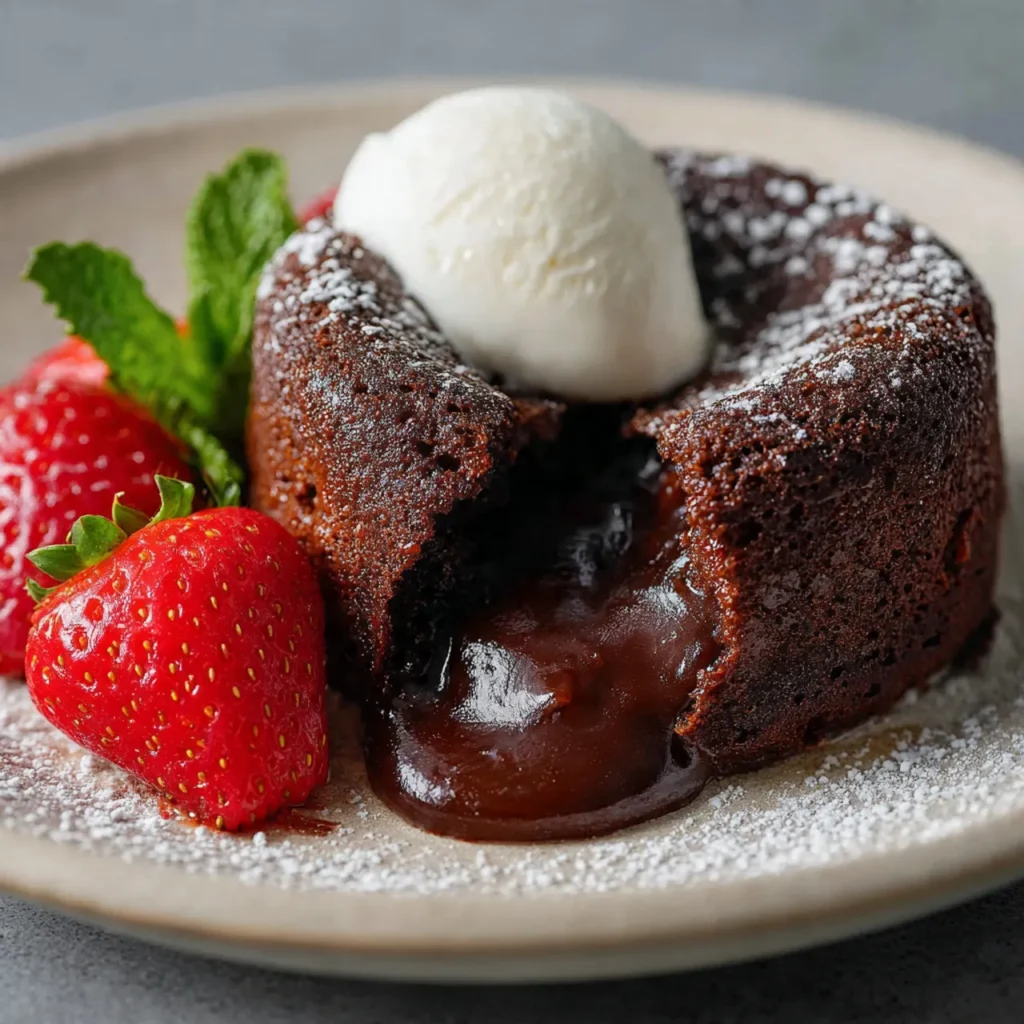
The magic of chocolate fondant lies in its contrast of textures and temperatures. The exterior is soft, slightly crisp, and cake-like, while the interior remains molten and silky. The key is precise timing—just enough baking to set the edges while keeping the center liquid. The result is a dessert that feels both comforting and sophisticated, with every spoonful offering a burst of warm, melted chocolate. The aroma of cocoa fills the air as the fondant is cut open, revealing its molten heart—a moment that never fails to impress.
The Origins of the Dessert
Chocolate fondant is believed to have originated in France, where it’s known as “moelleux au chocolat.” However, a similar dessert was popularized in the United States by chef Jean-Georges Vongerichten in the 1980s, who accidentally underbaked a chocolate cake and discovered the irresistible molten center. Since then, it has become a global classic, celebrated for its simplicity, elegance, and pure chocolate decadence.
The Role of Each Ingredient
Chocolate
The quality of the chocolate determines the flavor of the fondant. Use dark chocolate with at least 70% cocoa solids for a rich, intense taste. The chocolate should melt smoothly and blend harmoniously with the butter and eggs.
Butter
Butter adds richness and ensures a smooth, velvety texture. It also helps create the glossy, molten center. Unsalted butter is preferred to control the salt level.
Eggs
Eggs provide structure and moisture. The combination of whole eggs and yolks gives the fondant its soft, custard-like interior.
Sugar
Sugar balances the bitterness of dark chocolate and contributes to the cake’s delicate crust. Fine caster sugar dissolves easily for a smooth batter.
Flour
A small amount of flour gives the fondant structure without making it dense. Overusing flour can result in a dry cake.
Salt
A pinch of salt enhances the chocolate’s flavor and balances the sweetness.
Optional Flavorings
Vanilla extract, espresso powder, or a splash of liqueur (such as Grand Marnier or Baileys) can add depth and complexity.
Ingredients for 4 Servings
- 150 g (5 oz) dark chocolate (70% cocoa)
- 100 g (7 tbsp) unsalted butter, plus extra for greasing
- 2 large eggs
- 2 large egg yolks
- 80 g (⅓ cup) caster sugar
- 30 g (¼ cup) all-purpose flour
- A pinch of salt
- Butter and cocoa powder for preparing the molds
Preparing the Molds
- Grease the molds: Generously butter four ramekins or metal molds (about 150 ml capacity each).
- Dust with cocoa: Sprinkle cocoa powder inside each mold, tapping out the excess. This prevents sticking and adds a rich finish.
- Chill: Place the prepared molds in the refrigerator while making the batter.
Making the Chocolate Fondant Batter
- Melt the chocolate and butter: In a heatproof bowl, melt the chocolate and butter together over a pot of simmering water (bain-marie). Stir until smooth and glossy. Remove from heat and let cool slightly.
- Whisk the eggs and sugar: In another bowl, whisk the eggs, yolks, and sugar until pale and thick. This incorporates air and helps create a light texture.
- Combine: Pour the melted chocolate mixture into the egg mixture and whisk gently until combined.
- Add the flour: Sift in the flour and salt, folding gently with a spatula until smooth. Do not overmix.
- Rest the batter: Let the batter rest for 15–20 minutes at room temperature. This helps the texture develop and ensures even baking.
Baking the Fondants
- Preheat the oven: Set the oven to 200°C (400°F).
- Fill the molds: Divide the batter evenly among the prepared molds, filling them about three-quarters full.
- Bake: Place the molds on a baking tray and bake for 10–12 minutes. The edges should be set, but the centers should still be soft.
- Check doneness: The top should look firm, but a gentle press should reveal a slight wobble in the center.
- Rest briefly: Let the fondants rest for 1 minute before unmolding.
Unmolding and Serving
- Loosen the edges: Run a small knife around the edge of each fondant to loosen it.
- Invert carefully: Place a dessert plate over the mold and invert quickly but gently. Tap the bottom to release the cake.
- Serve immediately: The fondant should be served warm so the center remains molten.
The Perfect Texture and Flavor
The ideal chocolate fondant has a delicate crust that cracks open to reveal a flowing, molten center. The flavor should be rich and intense, with the bitterness of dark chocolate balanced by the sweetness of the sugar and the creaminess of the butter. The texture is key—soft and velvety on the outside, liquid and glossy inside. The contrast between the warm cake and the cool accompaniments, such as ice cream or fruit, creates a sensory experience that’s both comforting and luxurious.
Variations and Add-Ins
- With caramel: Add a spoonful of salted caramel in the center before baking for a sweet-salty surprise.
- With peanut butter: Place a teaspoon of peanut butter in the middle for a nutty twist.
- With fruit: Add raspberries or cherries to the batter for a fruity contrast.
- With spices: Add a pinch of chili powder or cinnamon for warmth.
- With liqueur: Infuse the batter with orange liqueur, rum, or coffee liqueur for depth.
- With white chocolate: Replace dark chocolate with white chocolate for a sweeter version.
Tips for Success
- Use quality chocolate: The flavor depends entirely on the chocolate’s quality.
- Don’t overbake: A few seconds too long can turn the molten center solid.
- Preheat the oven properly: Consistent heat ensures even baking.
- Grease the molds well: This prevents sticking and ensures a clean release.
- Serve immediately: The molten center begins to set as it cools.
- Test one first: If unsure about timing, bake one fondant as a test before baking the rest.
Presentation Ideas
- Classic style: Serve with a dusting of powdered sugar and a scoop of vanilla ice cream.
- Elegant plating: Add a drizzle of raspberry coulis or salted caramel sauce.
- Modern twist: Garnish with edible gold leaf or chocolate shards.
- Rustic charm: Serve in the ramekin with a dollop of whipped cream.
- Festive version: Add fresh berries and mint leaves for color.
Pairing Suggestions
The richness of chocolate fondant pairs beautifully with contrasting flavors and textures:
- Ice cream: Vanilla, coffee, or pistachio ice cream adds a cool, creamy contrast.
- Fruit: Fresh raspberries, strawberries, or orange segments cut through the richness.
- Wine: A sweet red wine like port or a dessert wine like Banyuls complements the chocolate.
- Coffee: Espresso enhances the chocolate’s depth.
- Non-alcoholic: Serve with hot chocolate or spiced chai for a cozy pairing.
Nutritional Information (per serving)
- Calories: 420 kcal
- Protein: 6 g
- Fat: 28 g
- Carbohydrates: 35 g
- Fiber: 3 g
Storing and Reheating
Chocolate fondants are best enjoyed fresh, but the batter can be prepared in advance. Store the unbaked batter in the refrigerator for up to 24 hours. When ready to serve, bring to room temperature and bake as directed. Baked fondants can be refrigerated for up to 2 days and reheated in the microwave for 20 seconds, though the center may not remain fully molten.
The Flavor Experience
Every spoonful of chocolate fondant is a moment of pure indulgence. The outer layer is soft and tender, giving way to a molten core that flows like liquid silk. The flavor is deep and complex, with the bittersweet notes of dark chocolate balanced by the buttery richness of the cake. The warmth of the fondant contrasts beautifully with the coolness of ice cream or the freshness of fruit, creating a dessert that engages all the senses. The aroma of melted chocolate fills the air, making it as irresistible to smell as it is to taste.
Making It for Special Occasions
Chocolate fondant is a perfect dessert for romantic dinners, festive celebrations, or elegant dinner parties. Its individual portions make it easy to serve, and its dramatic molten center never fails to impress. For special occasions, decorate with gold dust, edible flowers, or a quenelle of flavored cream. It’s a dessert that feels luxurious yet approachable, making it a favorite for both home cooks and professional chefs.
Common Mistakes to Avoid
- Overbaking: The most common mistake—just a minute too long can ruin the molten center.
- Underbaking: Too little time, and the fondant won’t hold its shape.
- Using cold batter: Cold batter takes longer to bake and may not cook evenly.
- Skipping the resting step: Resting the batter helps achieve the right texture.
- Not greasing properly: The fondant may stick and break when unmolded.
A Dessert for Every Season
Chocolate fondant is timeless and versatile. In winter, it’s warm and comforting; in summer, it pairs beautifully with fresh fruit and ice cream. Its rich flavor and elegant presentation make it suitable for any occasion, from casual dinners to formal celebrations. Whether served plain or with creative accompaniments, it remains a dessert that never goes out of style.
The Joy of Homemade Baking
Making chocolate fondant at home is a rewarding experience that combines precision and pleasure. The process—melting chocolate, whisking eggs, folding batter, and timing the bake—is both simple and satisfying. The anticipation of cutting into the cake and watching the molten center flow is pure joy. It’s a reminder that the best desserts are those made with care, attention, and a love for good ingredients.
Conclusion
Chocolate fondant with a molten center is a dessert that embodies indulgence, elegance, and simplicity. With its soft, cake-like exterior and flowing chocolate heart, it offers a sensory experience that’s both comforting and luxurious. Each bite delivers warmth, richness, and the unmistakable pleasure of pure chocolate. Whether served at a romantic dinner, a festive celebration, or as a personal treat, this dessert captures the essence of decadence in its most refined form. It’s a timeless classic that proves that true perfection lies in simplicity, precision, and the irresistible allure of melted chocolate.