Classic tiramisu is the quintessential Italian dessert—elegant, creamy, and irresistibly rich. Its name means “pick me up,” a nod to the energizing combination of espresso and cocoa that defines its flavor. This dessert is a masterpiece of balance: the lightness of mascarpone cream, the boldness of coffee, and the subtle bitterness of cocoa come together in perfect harmony. Originating from the Veneto region of Italy, tiramisu has become a global favorite, celebrated for its simplicity, sophistication, and unforgettable taste.
The Essence of Tiramisu
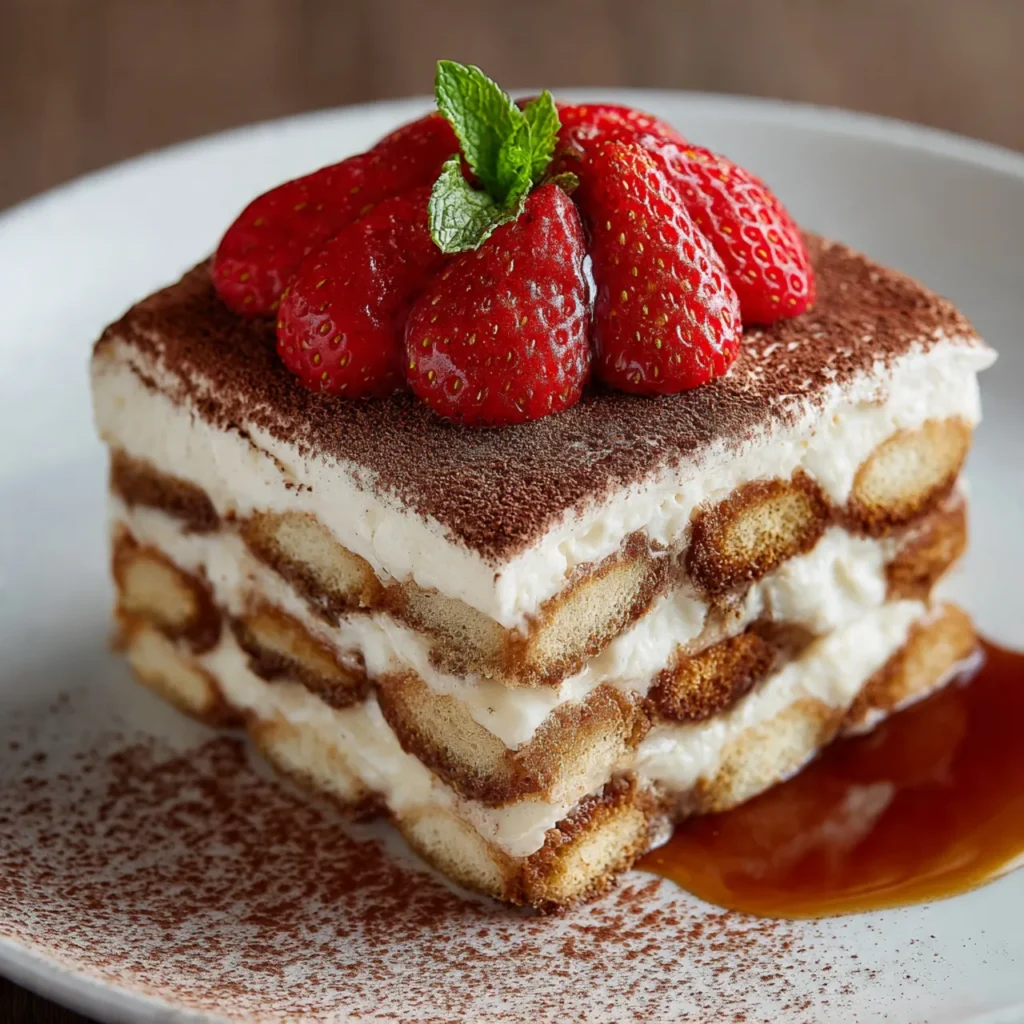
Tiramisu is a no-bake dessert made by layering espresso-soaked ladyfingers (savoiardi) with a luscious mascarpone cream and finishing with a dusting of cocoa powder. The texture is soft and airy, yet rich and satisfying. The flavor is complex but comforting—sweet, bitter, creamy, and slightly boozy if made with a touch of liqueur. It’s a dessert that feels indulgent but never heavy, making it perfect for any occasion, from casual dinners to festive celebrations.
The Origins of Tiramisu
The exact origins of tiramisu are debated, but most agree it was created in the 1960s in Treviso, Italy. The dessert was inspired by traditional layered sweets and designed to provide both comfort and energy. Over time, it spread across Italy and beyond, becoming a symbol of Italian hospitality and culinary artistry. The classic version remains unchanged: no whipped cream, no fruit, no chocolate chips—just mascarpone, eggs, sugar, coffee, and cocoa in perfect proportion.
The Role of Each Ingredient
Mascarpone
Mascarpone is the heart of tiramisu. This Italian cream cheese is rich, smooth, and slightly sweet, giving the dessert its signature texture. It’s essential to use fresh, high-quality mascarpone for the best flavor and consistency.
Eggs
Eggs provide structure and lightness. The yolks create a rich custard base, while the whites (or whipped cream in some modern versions) add airiness. Using fresh, pasteurized eggs ensures safety and quality.
Sugar
Sugar sweetens the mascarpone mixture and balances the bitterness of the coffee and cocoa. Fine caster sugar dissolves easily, creating a smooth cream.
Espresso
Strong, freshly brewed espresso gives tiramisu its bold flavor. It should be slightly cooled before dipping the ladyfingers to prevent sogginess.
Ladyfingers (Savoiardi)
These light, crisp biscuits absorb the espresso perfectly without falling apart. They form the structure of the dessert, holding the creamy layers together.
Cocoa Powder
A generous dusting of unsweetened cocoa powder adds a touch of bitterness that contrasts beautifully with the sweet cream.
Liqueur (Optional)
A splash of Marsala wine, dark rum, or coffee liqueur enhances the flavor and adds depth. It’s optional but traditional in many Italian recipes.
Ingredients for 8–10 Servings
- 6 large egg yolks
- 100 g (½ cup) caster sugar
- 500 g (2 cups) mascarpone cheese
- 300 ml (1¼ cups) heavy cream (optional for a lighter texture)
- 300 ml (1¼ cups) strong espresso, cooled
- 2 tablespoons Marsala wine or coffee liqueur (optional)
- 200 g (7 oz) ladyfingers (savoiardi)
- Unsweetened cocoa powder for dusting
Preparing the Mascarpone Cream
- Whisk the yolks and sugar: In a heatproof bowl, whisk the egg yolks and sugar together until pale and thick.
- Cook gently: Place the bowl over a pot of simmering water (bain-marie) and whisk continuously for 5–7 minutes until the mixture thickens slightly and the sugar dissolves. Remove from heat and let cool.
- Add mascarpone: Once cooled, gently fold in the mascarpone until smooth and creamy.
- Whip the cream (optional): If using, whip the heavy cream to soft peaks and fold it into the mascarpone mixture for a lighter texture.
Assembling the Tiramisu
- Prepare the coffee mixture: Combine the cooled espresso with Marsala or liqueur if using.
- Dip the ladyfingers: Quickly dip each ladyfinger into the coffee mixture—just long enough to soak the surface without making them soggy.
- Layer the dessert: Arrange a layer of soaked ladyfingers in the bottom of a rectangular dish. Spread half of the mascarpone cream over the top. Repeat with another layer of ladyfingers and the remaining cream.
- Smooth the surface: Use a spatula to even out the top layer.
- Dust with cocoa: Generously sift cocoa powder over the surface.
- Chill: Refrigerate for at least 4 hours, preferably overnight, to allow the flavors to meld and the texture to set.
The Perfect Texture and Flavor
The ideal tiramisu should be creamy yet structured, with distinct layers that hold their shape when sliced. The ladyfingers should be moist but not mushy, and the mascarpone cream should be smooth and velvety. The flavor should balance sweetness, bitterness, and richness, with the coffee and cocoa shining through. The longer the tiramisu chills, the better the flavors develop, making it even more delicious the next day.
Variations and Add-Ins
- With chocolate: Add a layer of grated dark chocolate between the cream layers for extra richness.
- With fruit: Add raspberries or strawberries for a fresh twist.
- With Nutella: Mix a spoonful of hazelnut spread into the mascarpone for a chocolate-hazelnut version.
- With caramel: Drizzle salted caramel between layers for a sweet-salty contrast.
- With matcha: Replace cocoa with matcha powder for a Japanese-inspired tiramisu.
- With biscuits: Use chocolate or almond biscuits instead of ladyfingers for a different texture.
Tips for Success
- Use strong coffee: Weak coffee will make the dessert bland. Espresso or moka pot coffee works best.
- Don’t oversoak the ladyfingers: A quick dip is enough; they should stay firm enough to hold the layers.
- Use fresh mascarpone: Avoid overmixing to prevent the cream from becoming grainy.
- Chill thoroughly: The dessert needs time to set and develop flavor. Overnight chilling is ideal.
- Dust before serving: Add the final layer of cocoa just before serving to keep it fresh and dry.
- Use a glass dish: It showcases the beautiful layers and adds to the presentation.
Presentation Ideas
- Classic style: Serve in a rectangular dish with a thick dusting of cocoa.
- Individual servings: Assemble tiramisu in glasses or jars for an elegant presentation.
- Layered elegance: Use a trifle bowl to display the layers.
- Garnished version: Add chocolate curls, coffee beans, or a drizzle of espresso syrup on top.
Pairing Suggestions
The rich, creamy flavors of tiramisu pair beautifully with a variety of beverages:
- Coffee: Espresso or cappuccino enhances the dessert’s coffee notes.
- Wine: A sweet dessert wine like Vin Santo or Marsala complements the mascarpone.
- Liqueur: Amaretto or Frangelico adds a nutty depth.
- Non-alcoholic: Serve with hot chocolate or chai tea for a cozy pairing.
Nutritional Information (per serving)
- Calories: 420 kcal
- Protein: 7 g
- Fat: 30 g
- Carbohydrates: 32 g
- Fiber: 1 g
Storing and Serving
Tiramisu can be stored in the refrigerator for up to 3 days, covered to prevent drying. The flavor improves after a day as the layers meld together. It can also be frozen for up to 1 month; thaw overnight in the refrigerator before serving. Always dust with fresh cocoa before serving for the best presentation.
The Flavor Experience
Every spoonful of tiramisu offers a perfect balance of textures and flavors. The mascarpone cream is smooth and rich, the coffee-soaked ladyfingers are soft and aromatic, and the cocoa adds a touch of bitterness that ties everything together. The aroma of espresso and cocoa fills the air, while the creamy texture melts on the tongue. It’s a dessert that feels both luxurious and comforting, evoking the warmth of Italian hospitality and the joy of simple, honest ingredients.
Making It for Special Occasions
Tiramisu is a versatile dessert that suits any occasion. It’s elegant enough for dinner parties, festive enough for holidays, and simple enough for everyday indulgence. For special events, decorate with chocolate shards, gold leaf, or edible flowers. It can also be adapted into a layer cake or served in individual cups for a modern twist.
Common Mistakes to Avoid
- Over-soaking the ladyfingers: They’ll become mushy and ruin the texture.
- Using cold mascarpone: It won’t blend smoothly.
- Skipping the chilling step: The dessert won’t set properly.
- Using instant coffee: It lacks the depth of real espresso.
- Adding too much alcohol: It can overpower the delicate flavors.
A Dessert for Every Season
Tiramisu is timeless and adaptable. In summer, it’s cool and refreshing; in winter, it’s rich and comforting. Its balance of flavors makes it suitable for any time of year. It can be customized with seasonal ingredients—berries in spring, chestnuts in autumn, or citrus in winter—while maintaining its classic essence.
The Joy of Homemade Tiramisu
Making tiramisu at home is a rewarding experience that combines simplicity and artistry. The process—whipping eggs, folding mascarpone, layering coffee-soaked biscuits—is soothing and satisfying. The aroma of espresso fills the kitchen, and the final result is a dessert that looks elegant and tastes divine. It’s a reminder that the best desserts are often the simplest, made with care and shared with love.
Conclusion
Classic tiramisu is a masterpiece of Italian pastry tradition. With its layers of espresso-soaked ladyfingers, creamy mascarpone filling, and dusting of cocoa, it embodies the perfect balance of flavor and texture. Each bite is a harmony of sweetness, bitterness, and creaminess that delights the senses. Whether served at a festive dinner or enjoyed as a quiet indulgence, tiramisu captures the essence of Italian elegance—simple, timeless, and unforgettable. It’s more than a dessert; it’s an experience, a celebration of flavor, and a true symbol of culinary perfection.