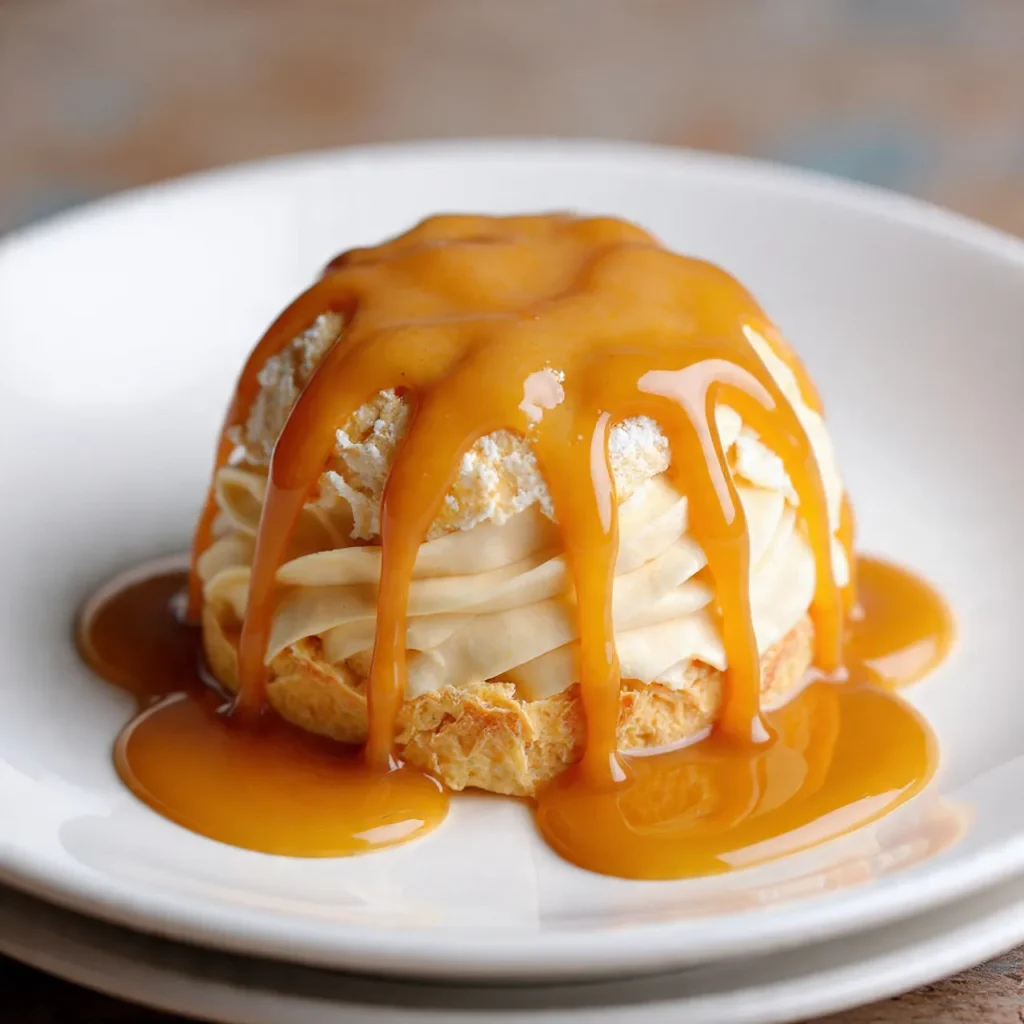
Classic vanilla ice cream is one of the most beloved desserts in the world. Its simplicity, elegance, and versatility make it a timeless favorite that never goes out of style. Whether served on its own, paired with a slice of warm pie, or used as the base for a sundae, vanilla ice cream embodies comfort and indulgence in every spoonful. The beauty of this dessert lies in its balance—rich yet light, sweet yet subtle, creamy yet refreshing. Making it from scratch allows for complete control over the ingredients, ensuring a pure, natural flavor that far surpasses store-bought versions.
The Essence of Classic Vanilla Ice Cream
Vanilla ice cream may seem simple, but its perfection depends on precision and quality. The key lies in using real vanilla—either from a pod, extract, or paste—and balancing it with cream, milk, sugar, and egg yolks. The result is a custard base that, when churned, transforms into a smooth, velvety treat. The process is both scientific and artistic: the right ratio of fat to sugar, the correct temperature for tempering eggs, and the proper churning time all contribute to the final texture and flavor.
The History of Vanilla Ice Cream
Vanilla ice cream has a long and fascinating history. Ice cream itself dates back to ancient China, where frozen milk and rice mixtures were enjoyed as early as 200 BC. The concept spread through the Middle East and Europe, evolving into frozen desserts made with cream and sugar. Vanilla, originally cultivated in Mexico, was introduced to Europe in the 16th century and quickly became a prized flavoring. By the 18th century, vanilla ice cream had become a symbol of luxury, served at royal banquets and high-society gatherings. Today, it remains the most popular ice cream flavor worldwide, cherished for its pure, comforting taste.
Choosing the Right Ingredients
The quality of ingredients determines the quality of the ice cream. Each component plays a crucial role in achieving the perfect texture and flavor.
Cream and Milk
A combination of heavy cream and whole milk provides the ideal balance of richness and smoothness. The cream adds fat, which gives the ice cream its luscious mouthfeel, while the milk lightens the texture.
Sugar
Sugar not only sweetens the ice cream but also affects its texture. It lowers the freezing point, preventing the mixture from becoming too hard and icy.
Egg Yolks
Egg yolks are the foundation of a custard-based ice cream. They add richness, color, and a silky texture. The proteins in the yolks also help stabilize the mixture, preventing ice crystals from forming.
Vanilla
The star ingredient. Real vanilla beans provide the most authentic flavor, with tiny black specks that signal quality. Vanilla extract or paste can also be used for convenience, but pure vanilla is essential for depth and aroma.
Salt
A pinch of salt enhances the sweetness and brings out the complexity of the vanilla flavor.
Ingredients for Classic Vanilla Ice Cream
- 2 cups heavy cream
- 1 cup whole milk
- ¾ cup granulated sugar
- 5 large egg yolks
- 1 vanilla bean (or 2 teaspoons pure vanilla extract)
- Pinch of salt
Step-by-Step Preparation
- Prepare the Vanilla: Split the vanilla bean lengthwise and scrape out the seeds. Add both the seeds and the pod to a saucepan with the cream, milk, and half the sugar. Heat gently until the mixture is hot but not boiling. Remove from heat and let it steep for 15 minutes to infuse the flavor.
- Whisk the Egg Yolks: In a separate bowl, whisk the egg yolks with the remaining sugar until the mixture becomes pale and thick.
- Temper the Eggs: Slowly pour a small amount of the warm cream mixture into the yolks while whisking constantly. This prevents the eggs from curdling. Gradually add the rest of the cream mixture.
- Cook the Custard: Return the mixture to the saucepan and cook over low heat, stirring constantly with a wooden spoon, until it thickens enough to coat the back of the spoon. Do not let it boil.
- Strain and Cool: Remove the vanilla pod and strain the custard through a fine sieve into a clean bowl. Add a pinch of salt and stir. Cool the mixture to room temperature, then refrigerate for at least 4 hours or overnight.
- Churn the Ice Cream: Pour the chilled custard into an ice cream maker and churn according to the manufacturer’s instructions, usually 20–25 minutes, until it reaches a soft-serve consistency.
- Freeze: Transfer the ice cream to an airtight container and freeze for at least 4 hours before serving.
The Science Behind Creaminess
The secret to creamy ice cream lies in controlling ice crystal formation. The custard base, rich in fat and sugar, prevents large crystals from forming. Churning incorporates air, creating a light texture. Rapid freezing locks in smoothness. The balance of fat, sugar, and air—known as overrun—determines the final texture. Too little fat results in icy ice cream; too much air makes it fluffy but bland. The perfect vanilla ice cream has a dense, creamy consistency that melts slowly on the tongue.
Variations on Classic Vanilla
While the traditional recipe is perfect on its own, it also serves as a versatile base for countless variations.
- French Vanilla: Made with extra egg yolks for a richer, custard-like flavor.
- Philadelphia-Style Vanilla: Made without eggs, resulting in a lighter, milkier texture.
- Vanilla Bean Honey Ice Cream: Add a tablespoon of honey for floral sweetness.
- Vanilla Bourbon Ice Cream: Add a splash of bourbon for depth and warmth.
- Vegan Vanilla Ice Cream: Replace dairy with coconut milk and use cornstarch instead of eggs.
Serving Suggestions
Classic vanilla ice cream pairs beautifully with almost any dessert.
- With Pie: A scoop of vanilla ice cream on warm apple or pecan pie is a timeless combination.
- With Brownies: The contrast between hot, fudgy brownies and cold ice cream is irresistible.
- With Fresh Fruit: Strawberries, peaches, or raspberries complement the creamy vanilla flavor.
- As a Sundae: Top with chocolate sauce, caramel, nuts, and whipped cream for a decadent treat.
- In a Float: Add a scoop to root beer or cola for a nostalgic soda fountain experience.
Tips for Perfect Homemade Ice Cream
- Use Fresh Ingredients: The fresher the cream, milk, and eggs, the better the flavor.
- Chill Thoroughly: A cold base ensures faster churning and smaller ice crystals.
- Avoid Overcooking: Overheating the custard can scramble the eggs. Cook gently and stir constantly.
- Don’t Overfill the Ice Cream Maker: Leave room for the mixture to expand as it freezes.
- Store Properly: Keep the ice cream in an airtight container to prevent freezer burn.
The Role of Vanilla in Flavor
Vanilla is often described as simple, but its flavor is anything but. It contains over 200 aromatic compounds that create its complex profile—sweet, floral, woody, and slightly smoky. The type of vanilla used can influence the final taste:
- Madagascar Bourbon Vanilla: Rich and creamy, with a classic flavor.
- Tahitian Vanilla: Floral and fruity, with notes of cherry and anise.
- Mexican Vanilla: Spicy and bold, with hints of clove and nutmeg.
Pairing Vanilla Ice Cream with Other Flavors
Vanilla ice cream’s neutral base makes it the perfect partner for other flavors. It enhances chocolate, balances tart fruits, and complements spices like cinnamon or nutmeg. It can also be used in creative desserts such as affogato (espresso poured over ice cream), ice cream sandwiches, or milkshakes.
The Art of Presentation
Presentation elevates even the simplest dessert. Serve vanilla ice cream in chilled bowls or waffle cones. Garnish with mint leaves, chocolate shavings, or a drizzle of caramel. For a sophisticated touch, serve it alongside poached pears or baked apples.
Storing and Serving
Homemade ice cream is best enjoyed within a week of making it. Store it in a tightly sealed container to prevent ice crystals. Before serving, let it sit at room temperature for 5–10 minutes to soften slightly. This enhances the texture and flavor.
Nutritional Information (per serving)
- Calories: 260 kcal
- Fat: 18 g
- Carbohydrates: 22 g
- Protein: 4 g
- Sugar: 20 g
Troubleshooting Common Issues
- Ice Cream Too Hard: Too little sugar or overfreezing. Let it soften before serving.
- Ice Crystals Forming: The base wasn’t chilled enough or churned too slowly.
- Eggy Flavor: The custard was overcooked. Keep the temperature below boiling.
- Too Soft: The mixture wasn’t churned long enough or the freezer isn’t cold enough.
The Joy of Homemade Ice Cream
Making ice cream at home is more than just cooking—it’s an experience. The process of whisking, tempering, and churning connects you to the craft of dessert making. The aroma of vanilla steeping in warm cream, the anticipation as the mixture thickens, and the satisfaction of the first creamy spoonful make it a rewarding ritual. It’s a dessert that brings people together, whether shared at a summer picnic or enjoyed quietly on a cozy evening.
The Cultural Significance of Vanilla Ice Cream
Vanilla ice cream transcends cultures and generations. It’s a universal comfort food, found in diners, fine restaurants, and home kitchens alike. Its simplicity allows it to adapt to countless cuisines—from being served with tropical fruits in the Caribbean to accompanying pastries in Europe. It’s also a symbol of nostalgia, evoking childhood memories of ice cream cones and family gatherings.
Sustainability and Ingredient Sourcing
Choosing ethically sourced vanilla and dairy supports sustainable farming practices. Vanilla cultivation, particularly in Madagascar, provides livelihoods for thousands of farmers. Opting for fair-trade vanilla ensures that producers are paid fairly and that the environment is protected. Similarly, using local dairy products reduces the carbon footprint and supports regional agriculture.
Modern Twists on a Classic
Contemporary chefs have reimagined vanilla ice cream in creative ways. Some infuse it with herbs like basil or lavender for a floral twist. Others swirl in caramel, chocolate, or fruit purees for visual appeal and flavor contrast. Vegan and dairy-free versions have also gained popularity, using almond, oat, or coconut milk as bases. Despite these innovations, the essence of classic vanilla remains unchanged—pure, creamy, and comforting.
The Science of Flavor Perception
Vanilla’s appeal lies in its ability to enhance other flavors. It acts as a flavor amplifier, smoothing harsh notes and adding depth. The fat in the ice cream carries the aromatic compounds, releasing them slowly as it melts. This creates a lingering, satisfying taste experience. The balance of sweetness, fat, and aroma stimulates multiple senses, making vanilla ice cream universally pleasing.
Pairing with Beverages
Vanilla ice cream pairs beautifully with a variety of drinks. Coffee and espresso highlight its richness, while sparkling wines and dessert wines contrast its creaminess. For a non-alcoholic option, pair it with hot chocolate or chai tea for a cozy treat.
The Timeless Appeal
What makes classic vanilla ice cream timeless is its adaptability. It can be elegant or casual, simple or elaborate. It’s the foundation of countless desserts yet stands proudly on its own. Its flavor is familiar yet endlessly satisfying, a reminder that sometimes the simplest things are the most extraordinary.
Conclusion
Classic vanilla ice cream is more than just a dessert—it’s a celebration of simplicity, craftsmanship, and flavor. From its humble ingredients to its luxurious texture, every element contributes to its enduring charm. Making it at home allows for creativity, control, and connection to tradition. Whether enjoyed in a cone, a bowl, or alongside another dessert, vanilla ice cream remains a symbol of comfort and joy. Its creamy texture, delicate sweetness, and unmistakable aroma make it a dessert that transcends time, culture, and occasion—a true classic that will always have a place at the table.