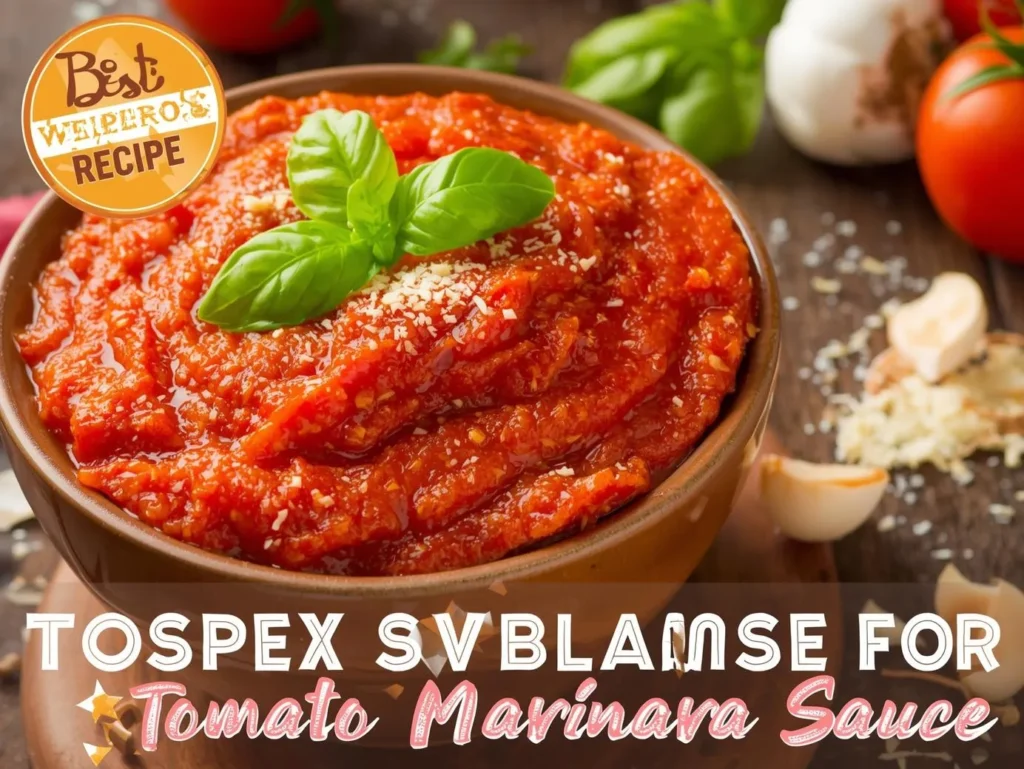
Tomato marinara sauce is one of the most beloved and versatile sauces in the world. Its simplicity, depth of flavor, and comforting aroma make it a staple in countless kitchens. Whether served over pasta, layered in lasagna, spooned over meatballs, or used as a dip for crusty bread, marinara sauce embodies the warmth and generosity of Italian cooking.
For Christmas, when the table is filled with rich roasts, creamy sides, and indulgent desserts, a homemade tomato marinara sauce offers a refreshing balance. It’s vibrant, tangy, and full of life—perfect for bringing brightness to a festive meal. This sauce can be made ahead of time, stored easily, and used in a variety of dishes, making it an essential part of any holiday kitchen.
This post explores the history, ingredients, techniques, and variations of tomato marinara sauce, along with tips for making it perfect every time. It’s more than just a recipe—it’s a celebration of tradition, flavor, and the joy of cooking for loved ones.
The Story Behind Marinara Sauce
The origins of marinara sauce trace back to southern Italy, particularly Naples, where tomatoes first became a culinary staple in the 16th century. The word “marinara” comes from “marinaro,” meaning “of the sea.” Contrary to what the name suggests, the sauce contains no seafood. It was named for the sailors who relied on it as a simple, long-lasting sauce that could be prepared quickly upon returning from sea voyages.
Made with just a few ingredients—tomatoes, garlic, olive oil, and herbs—marinara sauce became a symbol of Italian home cooking. It was inexpensive, nourishing, and adaptable, making it a cornerstone of Mediterranean cuisine. Over time, it spread across the world, becoming a favorite in Italian-American households and beyond.
Today, marinara sauce remains a timeless classic. Its beauty lies in its simplicity: ripe tomatoes simmered slowly with aromatic herbs and a touch of olive oil. It’s a sauce that invites creativity while honoring tradition.
Why Marinara Sauce Belongs on the Christmas Table
Christmas is a time for comfort, warmth, and togetherness—and few dishes embody those qualities better than a homemade tomato sauce. Marinara sauce adds color and brightness to the holiday menu, balancing the richness of meats, cheeses, and desserts.
It can be served in countless ways during the festive season:
- As a base for baked pasta dishes like lasagna or cannelloni.
- As a dipping sauce for appetizers such as arancini, mozzarella sticks, or garlic bread.
- As a topping for roasted vegetables or grilled fish.
- As a simple yet elegant pasta course between heavier dishes.
Its versatility makes it a perfect companion for Christmas cooking. It’s also a dish that can be prepared in advance, allowing more time to enjoy the celebration.
Ingredients for the Perfect Tomato Marinara Sauce
The secret to a great marinara sauce lies in the quality of its ingredients. Each component plays a crucial role in building flavor and texture.
Core Ingredients
- Tomatoes: Use high-quality canned whole peeled tomatoes (San Marzano if possible) or ripe fresh tomatoes in season.
- Olive Oil: Extra virgin olive oil adds richness and depth.
- Garlic: Fresh garlic cloves provide the signature aroma and flavor.
- Onion (optional): Adds sweetness and body to the sauce.
- Herbs: Basil and oregano are traditional, but thyme or parsley can also be used.
- Salt and Pepper: Essential for balance.
- Sugar (optional): A small pinch can offset the acidity of the tomatoes.
Optional Enhancements
- Red Pepper Flakes: For a subtle heat.
- Bay Leaf: Adds a gentle herbal note.
- White Wine: Enhances complexity and aroma.
- Parmesan Rind: Infuses the sauce with umami richness during simmering.
Step-by-Step Recipe for Tomato Marinara Sauce
Ingredients
- 2 tablespoons extra virgin olive oil
- 1 small onion, finely chopped (optional)
- 3 garlic cloves, minced
- 800 g (28 oz) canned whole peeled tomatoes
- 1 teaspoon dried oregano
- 1 teaspoon salt
- ½ teaspoon black pepper
- 1 teaspoon sugar (optional)
- 1 handful fresh basil leaves
- 1 bay leaf (optional)
Preparation
Step 1: Prepare the Tomatoes
If using canned tomatoes, crush them by hand or with a fork in a bowl. If using fresh tomatoes, blanch them in boiling water for 30 seconds, peel, and chop.
Step 2: Sauté the Aromatics
In a large saucepan, heat the olive oil over medium heat. Add the onion (if using) and cook until translucent, about 5 minutes. Add the garlic and cook for 30 seconds, just until fragrant—avoid browning it.
Step 3: Add the Tomatoes and Seasonings
Add the crushed tomatoes, oregano, salt, pepper, and sugar. Stir well to combine. Add the bay leaf if desired.
Step 4: Simmer Slowly
Reduce the heat to low and let the sauce simmer uncovered for 30–40 minutes, stirring occasionally. The sauce should thicken and the flavors should meld together.
Step 5: Finish with Fresh Herbs
Remove the bay leaf and stir in the fresh basil leaves. Taste and adjust seasoning as needed.
Step 6: Blend (Optional)
For a smoother texture, use an immersion blender to puree the sauce. For a rustic version, leave it chunky.
Step 7: Serve or Store
Use immediately or let cool and store in airtight containers. The sauce keeps for up to 5 days in the refrigerator or 3 months in the freezer.
The Secret to a Perfect Marinara Sauce
1. Use quality tomatoes: The better the tomatoes, the better the sauce. San Marzano tomatoes are prized for their sweetness and low acidity.
2. Don’t rush the simmer: Slow cooking allows the flavors to deepen and the sauce to thicken naturally.
3. Balance acidity: A pinch of sugar or a drizzle of balsamic vinegar can round out the flavor.
4. Add herbs at the right time: Dried herbs go in early; fresh herbs should be added at the end to preserve their aroma.
5. Taste as you go: Adjust salt, pepper, and sweetness gradually.
Variations on the Classic Marinara
1. Spicy Arrabbiata: Add red pepper flakes and a touch of chili oil for a fiery version.
2. Roasted Tomato Marinara: Roast fresh tomatoes, garlic, and onions before blending for a smoky depth.
3. Creamy Marinara: Stir in a splash of cream or mascarpone for a luxurious texture.
4. Wine-Infused Marinara: Deglaze the pan with white or red wine before adding tomatoes for added complexity.
5. Herb-Loaded Marinara: Add thyme, rosemary, or parsley for a more aromatic sauce.
Pairing Ideas for Christmas
1. Pasta Dishes:
- Spaghetti or linguine tossed in marinara with fresh basil and Parmesan.
- Baked ziti or lasagna layered with marinara and mozzarella.
- Gnocchi with marinara and a sprinkle of pecorino.
2. Appetizers:
- Marinara as a dip for fried calamari, mozzarella sticks, or arancini.
- Bruschetta topped with marinara, ricotta, and herbs.
- Mini meatballs in marinara served as canapés.
3. Main Courses:
- Chicken or eggplant Parmesan with marinara sauce.
- Grilled fish or shrimp with a spoonful of marinara for brightness.
- Stuffed peppers or cabbage rolls baked in marinara.
4. Vegetarian Options:
- Roasted vegetables drizzled with marinara.
- Polenta squares topped with marinara and cheese.
- Stuffed mushrooms with marinara and breadcrumbs.
Presentation for Christmas
For a festive presentation, serve marinara sauce in a rustic ceramic bowl or a small cast-iron pot. Garnish with fresh basil leaves, a drizzle of olive oil, and a sprinkle of Parmesan. Surround it with slices of toasted bread or colorful roasted vegetables for dipping.
If serving as part of a pasta course, use wide, shallow bowls to showcase the sauce’s rich color. Add a few basil leaves and a dusting of cheese for a touch of elegance.
For a buffet-style Christmas dinner, keep the sauce warm in a slow cooker or fondue pot, allowing guests to serve themselves.
Make-Ahead and Storage Tips
1. Prepare in advance: Marinara sauce tastes even better the next day as the flavors develop.
2. Refrigerate: Store in airtight containers for up to 5 days.
3. Freeze: Divide into portions and freeze for up to 3 months. Thaw overnight in the refrigerator before reheating.
4. Reheat gently: Warm over low heat to preserve the texture and flavor.
Nutritional Benefits
Tomato marinara sauce is not only delicious but also nutritious. It’s low in fat, rich in vitamins, and full of antioxidants.
- Tomatoes: High in lycopene, a powerful antioxidant that supports heart health.
- Olive Oil: Provides healthy monounsaturated fats.
- Garlic: Known for its immune-boosting properties.
- Herbs: Add vitamins and minerals while enhancing flavor naturally.
It’s a wholesome addition to any meal, offering both comfort and nourishment.
Troubleshooting Common Issues
1. Sauce too acidic: Add a pinch of sugar or a small piece of carrot while simmering.
2. Sauce too thin: Simmer longer uncovered to reduce, or add a spoonful of tomato paste.
3. Sauce too thick: Add a splash of water or broth to loosen.
4. Bitter flavor: Avoid burning the garlic and use ripe, quality tomatoes.
Why This Recipe Stands Out
This tomato marinara sauce stands out for its balance of simplicity and depth. It’s a recipe that honors tradition while allowing room for creativity. The slow simmering process brings out the natural sweetness of the tomatoes, while the herbs and garlic create a comforting aroma that fills the kitchen.
It’s also a recipe that fits seamlessly into the rhythm of Christmas cooking. It can be made ahead, stored easily, and used in multiple dishes, from appetizers to main courses. It’s the kind of sauce that brings people together—a reminder that the best meals are often the simplest.
The Spirit of Christmas in Every Spoonful
Christmas cooking is about more than just food—it’s about creating memories. The act of stirring a pot of marinara sauce, tasting, adjusting, and sharing it with loved ones captures the essence of the season. It’s a dish that invites conversation, laughter, and connection.
The bright red color of the sauce even mirrors the festive palette of Christmas, symbolizing warmth and joy. Whether served as part of a grand feast or a cozy family dinner, marinara sauce brings comfort and cheer to the table.
Conclusion
The tomato marinara sauce is a timeless classic that deserves a place in every Christmas kitchen. With its rich flavor, vibrant color, and endless versatility, it transforms simple ingredients into something extraordinary.
From pasta to appetizers, from roasts to vegetarian dishes, this sauce ties the meal together with elegance and warmth. It’s a recipe that celebrates the beauty of simplicity and the joy of sharing good food.
This Christmas, let the aroma of simmering tomatoes, garlic, and herbs fill the kitchen. Serve this marinara sauce with pride, knowing that every spoonful carries the spirit of tradition, love, and celebration.