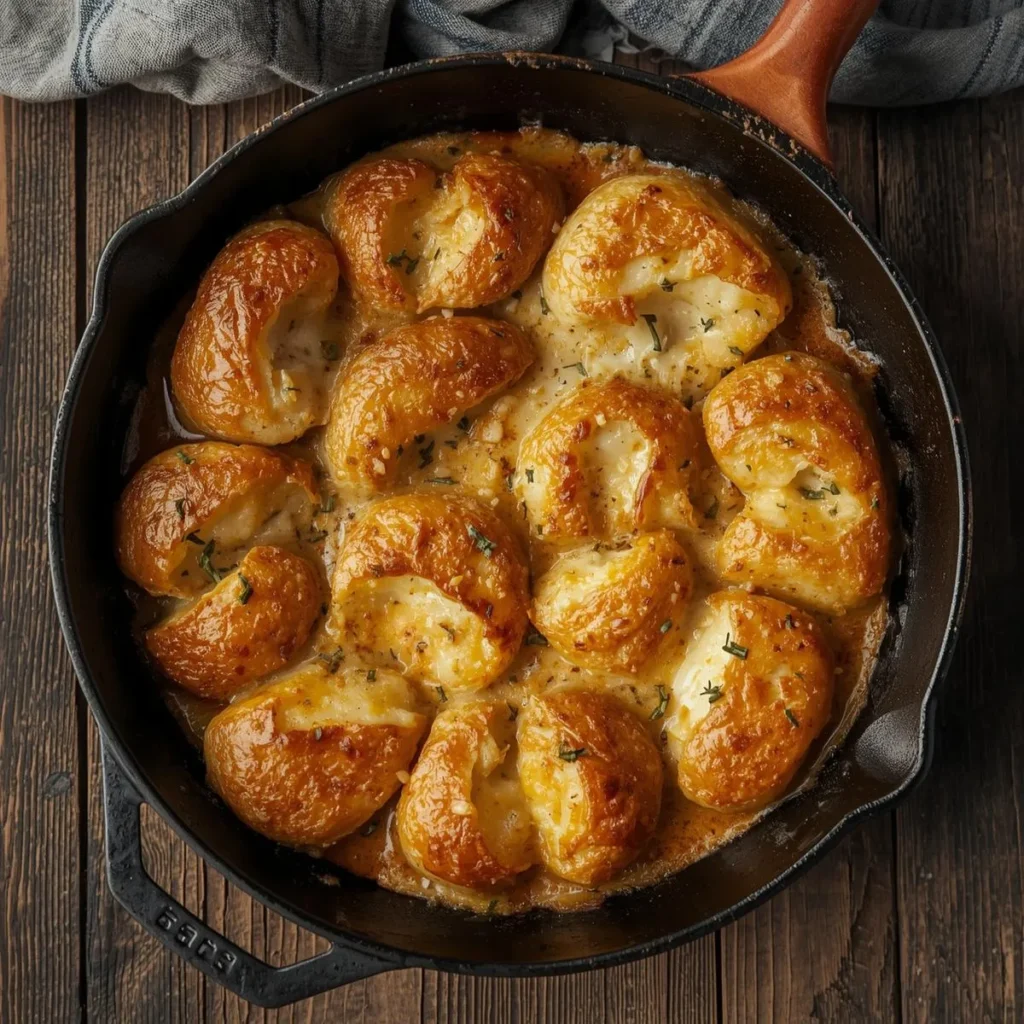
Traditional Dauphinoise potatoes, also known as Gratin Dauphinois, is one of the most beloved dishes in French cuisine. It’s a simple yet luxurious side dish made from thinly sliced potatoes baked slowly in cream, milk, and garlic until tender and golden. The result is a creamy, melt-in-the-mouth texture with a delicate balance of richness and subtle garlic flavor. This dish is the epitome of comfort food and pairs beautifully with roasted meats, poultry, or fish.
The Essence of Dauphinoise Potatoes
Originating from the Dauphiné region in southeastern France, this dish is a celebration of simplicity and quality ingredients. Unlike other potato gratins, traditional Dauphinoise potatoes do not include cheese in the original recipe. Instead, the cream and milk create a luscious sauce that thickens naturally as it bakes. The slow cooking process allows the potatoes to absorb the flavors of garlic and cream, resulting in a dish that’s both rustic and refined.
Choosing the Right Ingredients
The beauty of Dauphinoise potatoes lies in the quality of its few ingredients. Each one plays a crucial role in achieving the perfect texture and flavor.
Potatoes
Use starchy potatoes such as Russet or Yukon Gold. Their high starch content helps thicken the cream and gives the dish its signature velvety texture. Avoid waxy potatoes, as they tend to hold their shape too much and won’t create the same creamy consistency.
Cream and Milk
A combination of heavy cream and whole milk provides the ideal balance of richness and lightness. Using only cream can make the dish too heavy, while milk alone won’t create the same luxurious texture.
Garlic
Garlic is essential for flavor. It should be used sparingly to enhance the dish without overpowering it. Traditionally, the baking dish is rubbed with a cut clove of garlic before layering the potatoes.
Seasoning
Salt, freshly ground black pepper, and a pinch of nutmeg are all that’s needed. Nutmeg adds warmth and depth to the cream.
Ingredients for 6–8 Servings
- 1.2 kg (2.5 lb) starchy potatoes (Russet or Yukon Gold)
- 2 cups (500 ml) heavy cream
- 1 cup (250 ml) whole milk
- 2 garlic cloves, halved
- 1 teaspoon salt
- ½ teaspoon freshly ground black pepper
- A pinch of ground nutmeg
- 1 tablespoon butter (for greasing the dish)
Preparing the Potatoes
- Preheat the oven: Set the oven to 160°C (320°F).
- Prepare the dish: Rub the inside of a large baking dish with the cut sides of the garlic cloves, then grease it with butter.
- Peel and slice the potatoes: Peel the potatoes and slice them thinly (about 2–3 mm thick) using a mandoline or a sharp knife. Try to keep the slices uniform for even cooking.
- Do not rinse: Avoid rinsing the potatoes after slicing, as the starch helps thicken the sauce.
Making the Cream Mixture
- Heat the cream and milk: In a saucepan, combine the cream, milk, remaining garlic, salt, pepper, and nutmeg. Warm gently over medium heat until just below boiling. Remove from heat and discard the garlic.
- Taste and adjust: Check the seasoning and adjust if necessary. The mixture should be well-seasoned, as the potatoes will absorb much of the flavor.
Assembling the Dauphinoise Potatoes
- Layer the potatoes: Arrange a layer of potato slices in the prepared dish, slightly overlapping them. Pour a small amount of the warm cream mixture over the layer. Continue layering the potatoes and cream until all are used, finishing with a layer of cream on top.
- Press down: Gently press the potatoes with a spatula to ensure they are evenly coated and submerged in the cream.
- Bake: Cover the dish loosely with foil and bake for 1 hour. Remove the foil and continue baking for another 30–40 minutes, until the top is golden and the potatoes are tender when pierced with a knife.
Serving the Dauphinoise Potatoes
Let the gratin rest for 10–15 minutes before serving. This allows the sauce to thicken slightly and makes it easier to cut neat portions. Serve warm as a side dish with roasted chicken, beef, lamb, or fish. It also pairs beautifully with a crisp green salad for a lighter meal.
The Perfect Flavor Balance
Traditional Dauphinoise potatoes are all about balance. The cream provides richness, the garlic adds subtle depth, and the potatoes bring natural sweetness. The slow baking process allows the flavors to meld, creating a dish that’s both comforting and elegant. The top becomes golden and slightly crisp, while the inside remains soft and creamy—a perfect contrast of textures.
Variations and Add-Ins
While the traditional recipe is simple, there are many ways to adapt it:
- With cheese: Add grated Gruyère, Comté, or Parmesan between the layers for a richer gratin.
- With onions: Layer thinly sliced onions with the potatoes for extra sweetness.
- With herbs: Add fresh thyme, rosemary, or chives for an aromatic twist.
- With bacon: Sprinkle cooked bacon bits between layers for a smoky flavor.
- With truffle oil: Drizzle a few drops of truffle oil before baking for a luxurious touch.
Tips for Success
- Use the right potatoes: Starchy varieties create the best creamy texture.
- Slice evenly: Uniform slices ensure even cooking.
- Don’t boil the cream: Overheating can cause it to separate.
- Bake slowly: Low and slow baking allows the flavors to develop fully.
- Rest before serving: This helps the gratin set and makes slicing easier.
Presentation Ideas
- Classic style: Serve directly from the baking dish for a rustic, homely look.
- Elegant plating: Cut into neat squares and serve on individual plates with a drizzle of cream sauce.
- Family-style: Place the dish in the center of the table for guests to serve themselves.
Pairing Suggestions
The creamy richness of Dauphinoise potatoes pairs beautifully with a variety of dishes and drinks:
- Main dishes: Roast chicken, beef tenderloin, lamb chops, or baked salmon.
- Vegetarian options: Serve with roasted vegetables or a fresh green salad.
- Wine: A crisp Chardonnay, Sauvignon Blanc, or light Pinot Noir complements the creaminess.
- Non-alcoholic: Sparkling water with lemon or apple cider balances the richness.
Nutritional Information (per serving)
- Calories: 320 kcal
- Protein: 6 g
- Fat: 22 g
- Carbohydrates: 25 g
Storing and Reheating
Leftover Dauphinoise potatoes can be stored in an airtight container in the refrigerator for up to 3 days. Reheat in the oven at 180°C (350°F) until warmed through and bubbly. Avoid microwaving for too long, as it can make the sauce separate. The dish can also be frozen before baking; thaw overnight in the refrigerator and bake as directed.
The Flavor Experience
Every bite of traditional Dauphinoise potatoes offers a perfect combination of creamy, tender, and slightly crisp textures. The garlic-infused cream envelops the potatoes in richness, while the golden top adds a satisfying contrast. It’s a dish that feels indulgent yet comforting, perfect for both everyday meals and special occasions.
Making It for Special Occasions
Dauphinoise potatoes are a staple on festive tables, from Christmas dinners to Sunday roasts. Their elegant simplicity makes them suitable for both casual and formal gatherings. The dish can be prepared ahead of time and baked just before serving, making it ideal for entertaining.
Common Mistakes to Avoid
- Using the wrong potatoes: Waxy potatoes won’t create the creamy texture needed.
- Overcooking: The potatoes should be tender but not falling apart.
- Underseasoning: The cream mixture must be well-seasoned before baking.
- Skipping the resting time: The gratin needs time to set before serving.
- Adding too much garlic: It should enhance, not overpower, the dish.
A Dish for Every Season
Dauphinoise potatoes are versatile enough for any time of year. In winter, they’re the ultimate comfort food alongside roasts and stews. In spring or summer, they pair beautifully with grilled meats or fresh salads. Their creamy texture and subtle flavor make them a timeless favorite.
The Joy of Homemade Comfort
Making traditional Dauphinoise potatoes is about more than just cooking—it’s about creating a dish that brings people together. The aroma of garlic and cream filling the kitchen, the golden crust bubbling in the oven, and the first creamy bite all evoke a sense of warmth and satisfaction. It’s a reminder that the simplest ingredients, when treated with care, can create something truly extraordinary.
Conclusion
Traditional Dauphinoise potatoes are a classic example of French comfort food at its finest. With their creamy texture, delicate garlic flavor, and golden crust, they embody the perfect balance of simplicity and indulgence. Whether served as a side dish for a festive meal or as the star of a cozy dinner, this gratin is always a crowd-pleaser. It’s a dish that celebrates the beauty of home cooking—rich, comforting, and timeless.