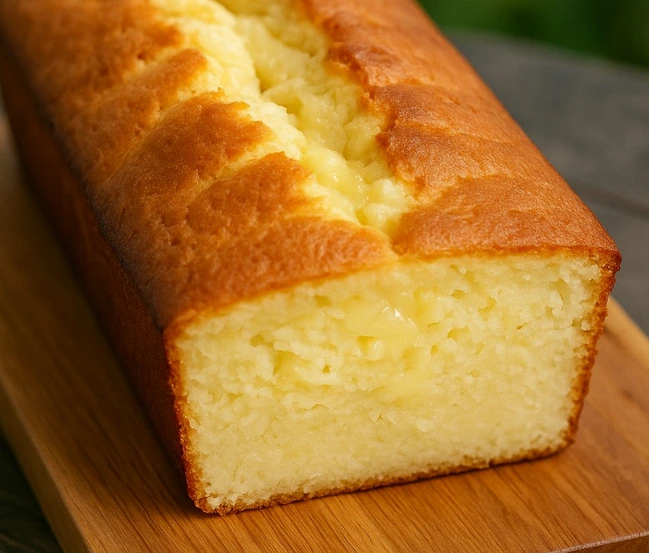
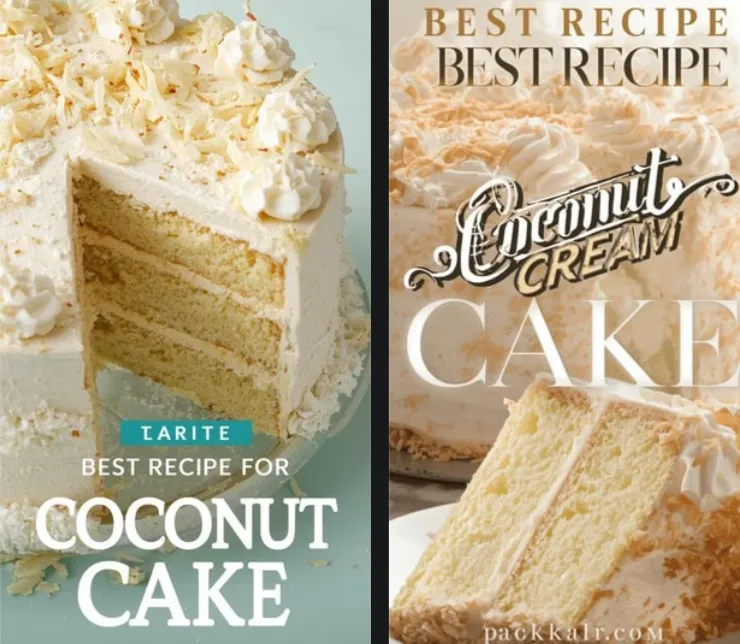
Coconut Cream Cake is a luscious, tropical-inspired dessert that combines moist, tender cake layers with a rich coconut filling and fluffy frosting. Each bite delivers a perfect balance of sweetness, creaminess, and coconut flavor, making it a show-stopping centerpiece for any celebration. Whether served at birthdays, holidays, or summer gatherings, this cake brings a taste of the tropics to the table. The combination of coconut milk, shredded coconut, and creamy frosting creates a dessert that’s both indulgent and refreshing.
The Allure of Coconut Cream Cake
Coconut Cream Cake stands out for its luxurious texture and irresistible flavor. The cake layers are soft and moist, infused with coconut milk for richness and depth. The filling, made with coconut cream or pudding, adds a silky smoothness that complements the light, fluffy frosting. The shredded coconut sprinkled over the top gives the cake a beautiful snowy appearance and a satisfying texture. It’s a dessert that feels both elegant and comforting, perfect for any occasion that calls for something special.
Ingredients for the Perfect Coconut Cream Cake
For the Cake:
- 2 ½ cups all-purpose flour
- 2 ½ teaspoons baking powder
- ½ teaspoon baking soda
- ½ teaspoon salt
- 1 cup unsalted butter, softened
- 2 cups granulated sugar
- 4 large eggs, room temperature
- 1 teaspoon pure vanilla extract
- 1 teaspoon coconut extract
- 1 cup coconut milk (unsweetened, full-fat)
- ½ cup sour cream or buttermilk
the Coconut Cream Filling:
- 1 cup coconut milk
- 1 cup heavy cream
- ½ cup granulated sugar
- 3 tablespoons cornstarch
- 3 egg yolks
- 1 teaspoon coconut extract
- 1 cup shredded sweetened coconut
the Frosting:
- 1 cup unsalted butter, softened
- 8 oz cream cheese, softened
- 5 cups powdered sugar, sifted
- 1 teaspoon vanilla extract
- 1 teaspoon coconut extract
- 2–3 tablespoons heavy cream or coconut milk
Decoration:
- 2 cups shredded sweetened coconut, toasted or plain
Step-by-Step Instructions
Step 1: Preparing the Cake Pans
Preheat the oven to 350°F (175°C). Grease and flour three 8-inch round cake pans or line them with parchment paper. This ensures the cakes release easily after baking.
Step 2: Mixing the Dry Ingredients
In a medium bowl, whisk together the flour, baking powder, baking soda, and salt. Set aside.
Step 3: Creaming the Butter and Sugar
In a large mixing bowl, beat the butter and sugar together on medium speed for 3–4 minutes until light and fluffy. This step incorporates air into the batter, giving the cake its tender crumb.
Step 4: Adding the Eggs and Extracts
Add the eggs one at a time, beating well after each addition. Mix in the vanilla and coconut extracts until fully combined.
Step 5: Combining Wet and Dry Ingredients
Reduce the mixer speed to low and alternate adding the dry ingredients with the coconut milk and sour cream, beginning and ending with the dry ingredients. Mix until just combined—overmixing can make the cake dense.
Step 6: Baking the Cake
Divide the batter evenly among the prepared pans and smooth the tops with a spatula. Bake for 25–30 minutes, or until a toothpick inserted into the center comes out clean. Allow the cakes to cool in the pans for 10 minutes before transferring them to a wire rack to cool completely.
Step 7: Making the Coconut Cream Filling
In a medium saucepan, whisk together the sugar and cornstarch. Add the egg yolks, coconut milk, and heavy cream, whisking until smooth. Cook over medium heat, stirring constantly, until the mixture thickens and begins to bubble. Remove from heat and stir in the coconut extract and shredded coconut. Let the filling cool completely before using.
Step 8: Making the Frosting
In a large bowl, beat the butter and cream cheese together on medium speed until smooth and creamy, about 2 minutes. Gradually add the powdered sugar, one cup at a time, mixing on low speed until incorporated. Add the vanilla and coconut extracts, then beat on high for 2–3 minutes until light and fluffy. Adjust consistency with heavy cream or coconut milk as needed.
Step 9: Assembling the Cake
Place one cake layer on a serving plate or cake stand. Spread a layer of coconut cream filling on top. Add the second layer and repeat. Place the final layer on top and apply a thin crumb coat of frosting to seal in crumbs. Chill for 20 minutes, then apply the final layer of frosting, smoothing it with an offset spatula for a polished finish.
Step 10: Decorating
Press shredded coconut onto the sides and top of the cake, covering it completely. For a toasted version, bake the coconut on a baking sheet at 325°F (160°C) for 5–7 minutes until golden brown, stirring occasionally. Garnish with coconut curls, white chocolate shavings, or edible flowers for an elegant touch.
Tips for the Best Coconut Cream Cake
- Use full-fat coconut milk: It adds richness and moisture.
- Don’t overmix: Mix just until combined to keep the cake light.
- Cool completely before frosting: Warm cake can cause the frosting to melt.
- Chill the filling: A cooled filling spreads more easily and stays in place.
- Toast the coconut: Toasted coconut adds flavor and texture.
- Store properly: Keep the cake covered in the refrigerator for up to 5 days.
Variations of Coconut Cream Cake
1. Pineapple Coconut Cake
Add crushed pineapple between the layers for a tropical twist reminiscent of a piña colada.
2. Chocolate Coconut Cake
Add a layer of chocolate ganache between the cake layers for a rich contrast.
3. Lemon Coconut Cake
Add lemon zest to the batter and a touch of lemon juice to the frosting for a bright, citrusy flavor.
4. Coconut Almond Cake
Add almond extract to the batter and top with toasted sliced almonds for a nutty variation.
5. Coconut Sheet Cake
Bake the batter in a 9×13-inch pan for an easy, crowd-pleasing version.
6. Vegan Coconut Cream Cake
Use plant-based butter, coconut cream, and a flaxseed egg substitute for a dairy-free, vegan-friendly version.
The Science Behind the Perfect Coconut Cake
The secret to a perfect Coconut Cream Cake lies in the balance of fat, moisture, and structure. Coconut milk adds richness and flavor, while sour cream or buttermilk ensures a tender crumb. The combination of butter and sugar creates a light texture through aeration, and the eggs provide structure and stability. The coconut cream filling adds moisture and creaminess, while the frosting ties everything together with a smooth, velvety finish. The result is a cake that’s rich yet light, sweet yet balanced.
Storing and Reheating
Coconut Cream Cake should be stored in the refrigerator due to its creamy filling and frosting. Keep it covered in an airtight container for up to five days. To serve, let the cake sit at room temperature for 30 minutes to soften the frosting. The cake can also be frozen—wrap each layer tightly in plastic wrap and freeze for up to two months. Thaw overnight in the refrigerator before assembling and frosting.
Pairing Suggestions
Coconut Cream Cake pairs beautifully with tropical beverages like iced tea, lemonade, or coconut water. For a more indulgent pairing, serve with coffee, espresso, or a glass of sparkling wine. Fresh fruit such as pineapple, mango, or berries complements the cake’s tropical flavor perfectly.
The Perfect Occasion for Coconut Cream Cake
Coconut Cream Cake is perfect for birthdays, weddings, holidays, or any celebration that calls for a touch of elegance. Its light, tropical flavor makes it ideal for spring and summer gatherings, while its creamy richness makes it comforting year-round. Whether served as a show-stopping centerpiece or a simple family dessert, it always impresses.
Troubleshooting Common Issues
- Cake too dense: Ensure butter and sugar are properly creamed and don’t overmix the batter.
- Cake dry: Measure flour accurately and avoid overbaking.
- Filling too thin: Cook longer until thickened or add a bit more cornstarch.
- Frosting too soft: Chill for 10–15 minutes before spreading.
- Coconut not sticking: Press gently into freshly frosted cake before the frosting sets.
Why This Cake Stands Out
Coconut Cream Cake stands out for its perfect balance of flavor, texture, and presentation. The combination of moist cake, creamy filling, and fluffy frosting creates a dessert that’s both indulgent and refreshing. The coconut flavor is rich but not overpowering, making it appealing to a wide range of tastes. Its snowy white appearance and tropical aroma make it as beautiful as it is delicious.
The Joy of Baking from Scratch
Baking Coconut Cream Cake from scratch is a rewarding experience that combines creativity and craftsmanship. The process of layering, filling, and frosting allows for personal expression, while the aroma of coconut and vanilla fills the kitchen with warmth. Homemade cakes carry a sense of care and authenticity that no store-bought dessert can match. Each step—from whisking the batter to pressing the coconut flakes—adds to the joy of creating something truly special.
Presentation Ideas
For an elegant presentation, serve the cake on a white or glass cake stand to highlight its snowy appearance. Decorate with toasted coconut, white chocolate curls, or edible flowers for a sophisticated touch. For a tropical theme, add pineapple slices or a sprinkle of lime zest. The contrast between the creamy frosting and the textured coconut makes this cake visually stunning and perfect for any dessert table.
Nutritional Notes
While indulgent, Coconut Cream Cake can be adjusted to suit different preferences. For a lighter version, reduce the sugar slightly or use Greek yogurt instead of sour cream. To make it dairy-free, use coconut oil, coconut cream, and vegan butter. For a gluten-free version, use a 1:1 gluten-free flour blend. The cake remains moist, flavorful, and satisfying regardless of modifications.
The History of Coconut Cake
Coconut Cake has deep roots in Southern American baking, where it became a symbol of hospitality and celebration. Early versions were made with freshly grated coconut and simple buttercream frosting. Over time, variations like Coconut Cream Cake emerged, incorporating coconut milk and cream for added richness. The cake’s tropical origins trace back to the introduction of coconuts to the Americas, where they quickly became a prized ingredient in desserts. Today, Coconut Cream Cake remains a beloved classic, celebrated for its elegance and flavor.
Expanding the Tradition
Coconut Cream Cake has inspired countless variations, from cupcakes and trifles to layered and bundt versions. Adding flavors like lime, pineapple, or rum creates new twists while maintaining the essence of the original. The recipe’s versatility makes it a favorite among home bakers who love to experiment while preserving its timeless appeal.
Conclusion
Coconut Cream Cake is a dessert that embodies elegance, flavor, and celebration. Its moist layers, creamy filling, and fluffy frosting create a perfect harmony that delights the senses. Whether made for a birthday, wedding, or holiday, it brings warmth and joy to every table. With its tropical flavor, stunning presentation, and timeless appeal, this cake is a must-have recipe for any baker’s collection.
This cake is more than just a dessert—it’s a celebration of craftsmanship, flavor, and the joy of homemade baking. Each slice offers a taste of paradise, a touch of sweetness, and a reminder that the simplest ingredients can create the most extraordinary experiences.