Asian sauces are the heart of many beloved dishes, bringing balance, depth, and complexity to simple ingredients. Whether it’s the glossy sweetness of teriyaki, the savory punch of stir-fry sauce, or the tangy brightness of sweet and sour, these sauces transform everyday meals into flavorful experiences. Making them at home ensures freshness, control over ingredients, and authentic taste.
The Essence of Asian Sauces
Asian cuisine is built on the harmony of five key flavors: sweet, salty, sour, bitter, and umami. Each sauce expresses this balance differently. Teriyaki emphasizes sweetness and umami, stir-fry sauce focuses on savory depth, and sweet and sour sauce highlights contrast and brightness. These sauces are versatile, easy to prepare, and can be stored for quick use in countless dishes.
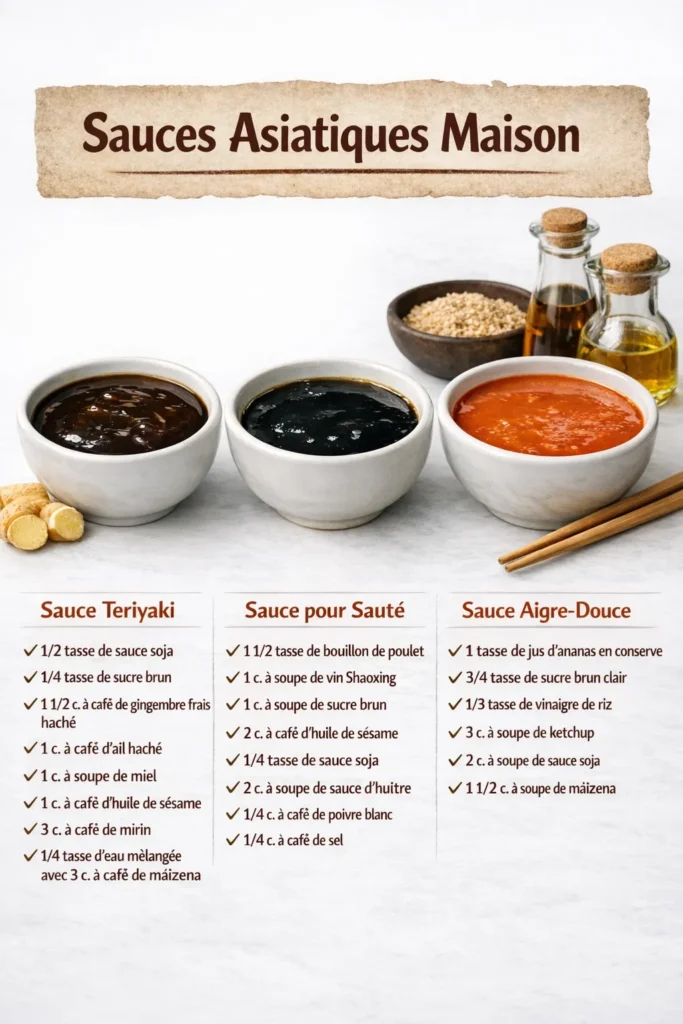
Teriyaki Sauce – Sweet, Savory & Glossy
Teriyaki sauce is a Japanese classic known for its shiny glaze and rich umami flavor. It’s perfect for marinating meats, glazing grilled dishes, or drizzling over rice and vegetables.
Ingredients
- 120 ml soy sauce
- 60 ml mirin (or rice wine)
- 60 ml sake (optional)
- 2 tablespoons brown sugar or honey
- 1 teaspoon grated ginger
- 1 clove garlic, minced
- 1 teaspoon cornstarch mixed with 1 tablespoon water (optional, for thickening)
Preparation
Combine soy sauce, mirin, sake, sugar, ginger, and garlic in a small saucepan. Bring to a gentle simmer over medium heat, stirring until the sugar dissolves. For a thicker glaze, add the cornstarch mixture and cook for another 2–3 minutes until the sauce coats the back of a spoon. Remove from heat and let cool.
Uses
Teriyaki sauce is ideal for chicken, salmon, tofu, or beef. It can be used as a marinade, a cooking sauce, or a finishing glaze. Brush it over grilled skewers or drizzle it on rice bowls for a glossy, flavorful finish.
Tip
For a deeper flavor, replace part of the soy sauce with dark soy sauce or add a splash of sesame oil at the end.
Stir-Fry Sauce – Savory & Versatile
Stir-fry sauce is the backbone of quick Asian cooking. It brings together salty, sweet, and umami notes that coat vegetables, meats, and noodles beautifully.
Ingredients
- 3 tablespoons soy sauce
- 1 tablespoon oyster sauce
- 1 tablespoon hoisin sauce
- 1 tablespoon rice vinegar
- 1 tablespoon brown sugar
- 1 teaspoon sesame oil
- 1 teaspoon cornstarch mixed with 2 tablespoons water
- 1 clove garlic, minced
- 1 teaspoon grated ginger
Preparation
In a bowl, whisk together soy sauce, oyster sauce, hoisin sauce, rice vinegar, sugar, sesame oil, garlic, and ginger. Heat a wok or skillet, add the sauce, and bring to a simmer. Stir in the cornstarch mixture and cook until slightly thickened.
Uses
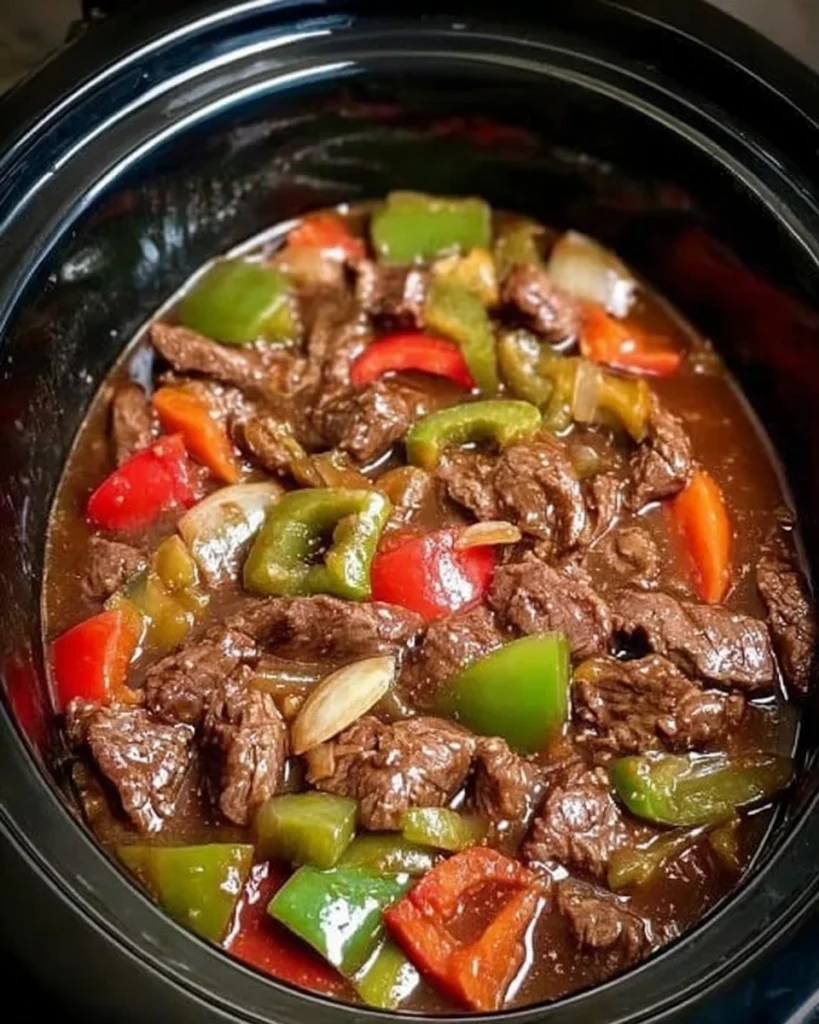
This sauce works with any stir-fry combination: chicken and broccoli, beef and peppers, shrimp and snow peas, or tofu and mixed vegetables. It can also be used as a base for fried rice or noodle dishes.
Tip
Adjust the sweetness or saltiness to taste. For a spicy version, add chili paste or a few drops of sriracha.
Sweet and Sour Sauce – Tangy & Bright
Sweet and sour sauce is a Chinese-inspired favorite that balances sugar and vinegar for a lively, tangy flavor. It’s perfect for dipping, glazing, or tossing with crispy fried dishes.
Ingredients
- 100 ml rice vinegar
- 80 g sugar
- 60 ml ketchup
- 1 tablespoon soy sauce
- 1 tablespoon cornstarch mixed with 2 tablespoons water
- 120 ml pineapple juice (optional, for fruitiness)
Preparation
In a saucepan, combine vinegar, sugar, ketchup, soy sauce, and pineapple juice. Bring to a boil, then reduce heat and simmer for 3–5 minutes. Stir in the cornstarch mixture and cook until the sauce thickens and becomes glossy. Remove from heat and cool slightly before serving.
Uses
Sweet and sour sauce pairs beautifully with chicken, pork, shrimp, or vegetables. It’s also excellent as a dipping sauce for spring rolls, dumplings, or tempura.
Tip
For a more authentic flavor, add a few chunks of pineapple and bell pepper to the sauce before serving.
The Art of Balance
Each of these sauces demonstrates the Asian culinary philosophy of balance. Teriyaki leans toward sweet and umami, stir-fry sauce emphasizes savory depth, and sweet and sour sauce celebrates contrast. When used together in a meal, they create a dynamic range of flavors that complement each other perfectly.
Texture and Consistency
The texture of a sauce determines how it coats food. A good Asian sauce should be glossy and cling lightly to ingredients without being too thick. Cornstarch is the key thickening agent, but it must be used sparingly to avoid a gummy texture. Always dissolve cornstarch in cold water before adding it to hot liquid, and cook just until the sauce reaches the desired consistency.
Ingredient Quality
The quality of ingredients defines the final flavor. Use naturally brewed soy sauce for depth, fresh ginger and garlic for aroma, and rice vinegar for balanced acidity. Avoid overly sweet commercial sauces; homemade versions allow full control over salt, sugar, and spice levels.
Storage and Shelf Life
Homemade Asian sauces can be stored in airtight jars in the refrigerator for up to one week. For longer storage, freeze them in small portions. Reheat gently before use to restore their texture and shine.
Pairing Ideas
- Teriyaki Sauce: Perfect for grilled chicken, salmon, or tofu bowls.
- Stir-Fry Sauce: Ideal for quick vegetable or noodle stir-fries.
- Sweet and Sour Sauce: Great for crispy chicken, pork, or as a dipping sauce.
Variations and Customization
- Spicy Teriyaki: Add chili flakes or a spoon of gochujang for heat.
- Garlic Stir-Fry: Increase garlic and add a splash of fish sauce for depth.
- Tropical Sweet and Sour: Replace pineapple juice with orange juice for a citrus twist.
The Art of Homemade Sauces
Making sauces from scratch is both rewarding and practical. It allows full control over flavor intensity, sweetness, and saltiness. Homemade sauces are fresher, healthier, and free from preservatives. They can be adjusted to suit any dish or dietary preference.
Presentation and Serving
Presentation enhances the dining experience. Drizzle teriyaki sauce over grilled skewers for a glossy finish, toss stir-fry sauce with noodles for a rich coating, or serve sweet and sour sauce in small bowls for dipping. Garnish with sesame seeds, scallions, or chopped herbs for color and aroma.
Culinary Inspiration
These sauces are foundational in Asian cooking but also adaptable to fusion cuisine. Teriyaki can glaze roasted vegetables, stir-fry sauce can season pasta, and sweet and sour sauce can accompany grilled seafood. Their versatility makes them indispensable in any kitchen.
Nutrition and Balance
Homemade sauces are naturally lighter than store-bought versions. By adjusting sugar and salt, they can fit into balanced diets. Soy sauce provides umami, while vinegar and citrus add brightness without excess calories. Using fresh aromatics like ginger and garlic enhances both flavor and nutrition.
Conclusion
Teriyaki, stir-fry, and sweet and sour sauces represent the essence of Asian cooking: balance, simplicity, and depth. Each brings its own character—teriyaki’s glossy sweetness, stir-fry’s savory richness, and sweet and sour’s lively tang. Together, they form a trio that can elevate any meal, from quick weeknight dinners to special occasions. Making them at home ensures authenticity, freshness, and the joy of crafting flavors that perfectly suit every dish.